

We’re in the midst of November, which is Native American Heritage Month, a time to honor the rich cultures, traditions, and histories of Native American people. For us, this month holds a special significance, as our own history is deeply intertwined with the Native American community.
Founded in 1976 by Dr. Vernon Dyer, a Choctaw and Prairie Band Potawatomi OB/GYN physician, Hunter Health was founded out of an urgent need for culturally relevant healthcare services tailored to the Urban Native American community of Wichita. Initially operating from a room at the Mid-America All-Indian Center, our rapid growth spurred a move to a more expansive location at Central and Grove by 1978.
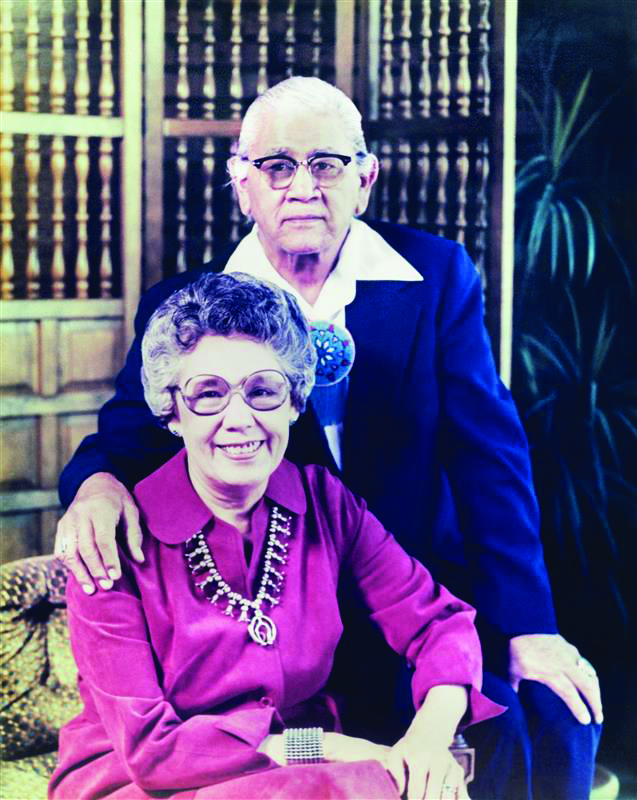
By 1980, the clinic was able to expand its services with federal funding that set us apart as the first program of its kind in Kansas. In recognition of this, and to emphasize its dedication to the Native American community, the clinic took on the name “Hunter Health” in 1985, in honor of Jay and Vera Hunter — revered Native American elders and educators.
Urban Indian Health Program
The Indian Health Service (IHS) Urban Indian Health Program provides funding for comprehensive health care, dental, substance abuse, behavioral health, immunizations, HIV testing and treatment, health education, and other health programs through other state, Federal, and local resources.
To be eligible for this benefit program, you must show official tribal documents and meet one of the following criteria:
American Indian or Alaskan Native member of a federally or state-recognized tribe
Non-Native tribal member recognized as a “freedmen”
Child younger than age 18 living with a Native American tribal member (can be natural or adopted child, stepchild, foster child, legal ward, or orphan)
Non-Native American woman who is pregnant with the child of a Native American tribal member (only for duration of pregnancy and up to 6 weeks postpartum.)
Hunter Health also helps with applications for the Urban Indian Health Program. All you need to bring is official proof of enrollment, such as:
- Certificate Degree of Indian Blood card (CDIB)
- Federally or state-recognized tribal card
- Tribal letter
- Other official documentation
Traditional Health Coordinator
Our Traditional Health Coordinator, Newman Washington, is a licensed addiction counselor with over 20 years of experience and works with the Native American Community Resource Coalition as an advocate for American Indian/Alaska Native patients, ensuring that our services are responsive to the local community. Reach him at newman.washington@hunterhealth.org.
We also assist with the tribal enrollment application process, tribal enrollment procedures and guidelines.
Here for you
Thank you to the Native American community for trusting us with care for the mind, body, and spirit. Our heritage is integral to who we are and where we’re going, and we’re grateful to take those next steps with you.